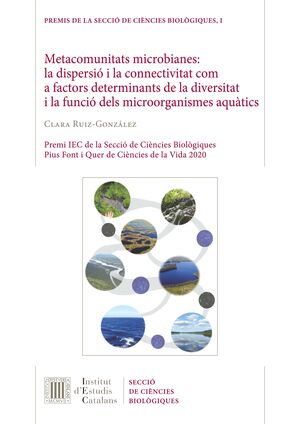
MICROBIAL METACOMMUNITIES: DISPERSAL AND CONNECTIVITY AS KEY DRIVERS OF THE DIVE

MICROBIAL METACOMMUNITIES: DISPERSAL AND CONNECTIVITY AS KEY DRIVERS OF THE DIVE

RUIZ-GONZÁLEZ, CLARA

15,00 €
IVA inclós
Sense stock. Consulteu disponibilitat
Editorial:
Institut d'Estudis Catalans
Any d'edició:
2020
Matèria
Biología
ISBN:
978-84-9965-573-4
Pàgines:
41
Enquadernació:
Rústica
15,00 €
IVA inclós
Sense stock. Consulteu disponibilitat
Afegir a favorits

Microorganisms are key players in terrestrial and aquatic ecosystems, controlling all
major biogeochemical fluxes of elements. Although the study of microbial ecology goes
back several decades, our ability to understand or predict the taxonomic and functional
responses of microbial communities to changes in environmental conditions remains
limited. One of the reasons may be that microbial communities may contain species that
are not adapted to the local environment and do not contribute to community functioning, given that microorganisms can be dispersed long distances and can persist inactive
out of their suitable habitats for long periods. The advent of sequencing technologies,
which enabled an improved access to microbial diversity and expanded the scale of studies, revealed that microbes often form part of larger metacommunities in which local assemblages are linked by the dispersal of species. However, disciplines such as microbial
limnology and oceanography (the study of freshwater and marine microorganisms, respectively) often operate in isolation, providing a fragmented view of a naturally connected microbial world. This review seeks to summarize what we have learnt over the past few
years regarding the effect of microbial dispersal and connectivity on the structuring and
functioning of aquatic microbial communities, with particular emphasis on bacterioplankton assemblages. These investigations have highlighted that terrestrial, freshwater
and marine microbiomes are intimately linked by the transport of taxa through flowing
water, the air, or processes such as marine particle sinking, and hence that understanding
the drivers and ecological consequences of microbial ecology and biogeography requires
going beyond ecosystem boundaries. Sharing knowledge and expertise between traditionally independent disciplines will be essential to advance towards a more holistic view of
microbial ecology that considers species linkages between different ecosystems.
Articles relacionats

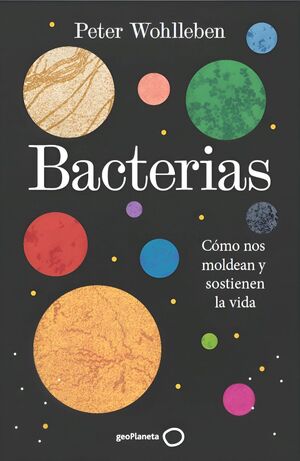
  • BACTERIAS
    WOHLLEBEN, PETER
    El autor de La vida secreta de los árboles nos descubre cómo las bacterias influyen en nuestro cuerpo, nuestras decisiones y el futuro del planeta.Creemos que somos los protagonistas de la historia de la vida. Que dominamos el planeta. Que nuestro cuerpo nos pertenece. ¿Y si no fuera así? Desde el interior de nuestras células hasta la formación de nubes y el clima global, las b...
    Últim exemplar. Enviament en 48 h.

    23,90 €

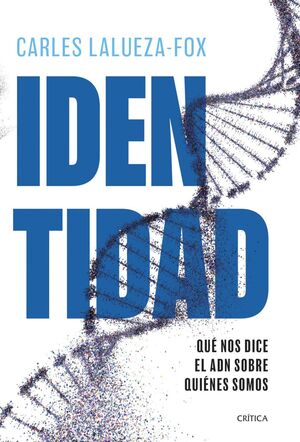
  • IDENTIDAD
    LALUEZA-FOX, CARLES
    La genética revela hasta qué punto somos únicos y, al mismo tiempo, profundamente interdependientes ¿Qué significa realmente tener una identidad? ¿Hasta dónde llega lo que creemos ser y qué papel desempeña nuestro ADN en esa construcción? En Identidad Carles Lalueza-Fox aborda una de las cuestiones más complejas y actuales de nuestro tiempo desde una perspectiva científica rigu...
    Últim exemplar. Enviament en 48 h.

    22,90 €

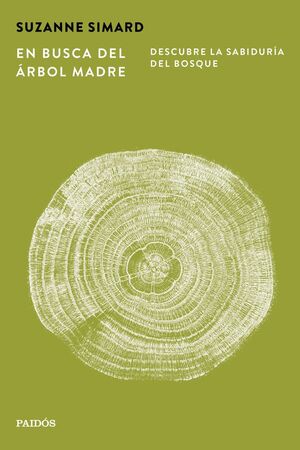
  • EN BUSCA DEL ÁRBOL MADRE
    SIMARD, SUZANNE
    LLÉVATE LOS GRANDES ÉXITOS DEL PENSAMIENTO DONDE TÚ QUIERASLos árboles han evolucionado durante cientos de años hasta formar un complejo circuito de vida interdependiente. En En busca del árbol Madre, la experta mundial en ecología forestal, Suzanne Simard, combina investigación científica y relato personal para exponer la vida secreta de los árboles, y revela un hecho fascinan...
    Últim exemplar. Enviament en 48 h.

    16,95 €

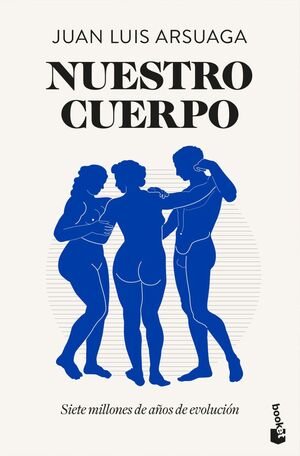
  • NUESTRO CUERPO
    ARSUAGA, JUAN LUIS
    Arsuaga en su máximo esplendor. El primer libro sobre la evolución de la anatomía humana, y que une ciencia y arte.En el museo del Prado, un científico recorre con la vista la escultura del Diadúmeno de Policleto; en su anatomía puede leer una historia evolutiva de siete millones de años. En la sala contigua hay otra algo más tardía que muestra la figura desnuda de la Venus del...
    Últim exemplar. Enviament en 48 h.

    13,95 €

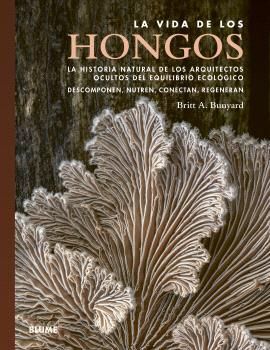
  • LA VIDA DE LOS HONGOS
    BUNYARD, A.
    * Un fascinante análisis ilustrado de la historia natural de los hongos. Sabemos que los hongos son importantes para nosotros y para el medio ambiente. Sin embargo, cómo viven y qué son capaces de hacer continúan siendo un misterio y una fuente de sorpresas. Repleto de impresionantes fotografías, ofrece una mirada al interior de su mundo oculto y extraordinario. Las maravilla...
    Últim exemplar. Enviament en 48 h.

    35,00 €

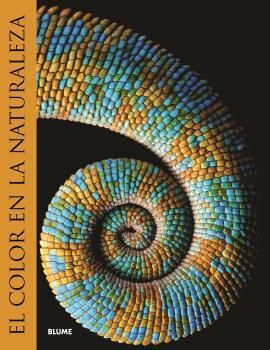
  • COLOR EN LA NATURALEZA, EL
    DAVID MAITLAND
    * A través de preciosas imágenes, este libro revela el sentido del color en la naturaleza, muestra cómo lo perciben los distintos seres vivos y aclara hasta qué punto el color contribuye en el comportamiento animal, ya sea en la reproducción y comunicación e incluso en el ataque y la defensa. Asimismo, contextualiza la percepción del color, junto con los usos que le damos a aq...
    Últim exemplar. Enviament en 48 h.

    35,00 €

Altres llibres de l'autor

  • METACOMUNITATS MICROBIANES : LA DISPERSIÓ I LA CONNECTIVITAT COM A FACTORS DETER
    RUIZ-GONZÁLEZ, CLARA
    Els microorganismes tenen un paper clau en els ecosistemes terrestres i aquàtics, controlant els principals fluxos biogeoquímics. Tot i que ja fa diverses dècades que s'estudia l'ecologia microbiana, la nostra capacitat d'entendre o de predir les respostes taxonòmiques i funcionals de les comunitats microbianes als canvis en les condicions ambientals encara és molt limitada. És...
    Sense stock. Consulteu disponibilitat

    15,00 €